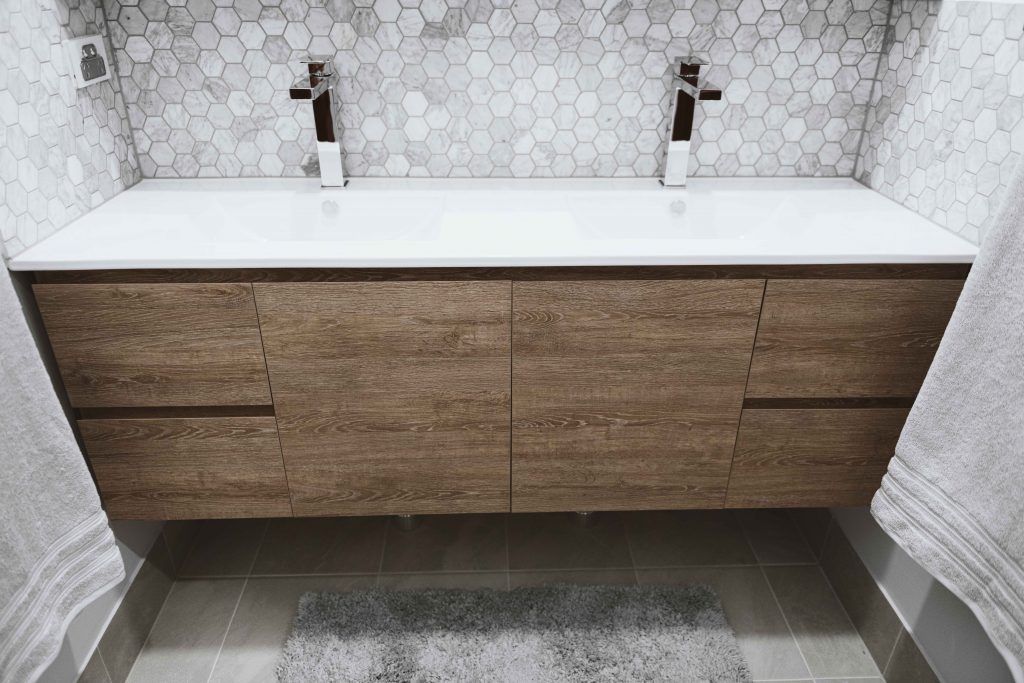
Art deco bathroom tiles are a beautiful way to introduce timeless elegance, decorative patterns and vintage inspired character into a modern bathroom. Inspired by the design movement of the 1920s and 1930s, Art Deco combines geometric shapes, symmetrical arrangements, rich colours and carefully selected finishes to create interiors with distinctive personality.
For Adelaide homeowners planning a bathroom renovation, this design style offers plenty of opportunities to create something unique. From traditional black and white geometric flooring to elegant fan shaped mosaics and luxurious marble look finishes, art deco bathroom tiles can transform an ordinary bathroom into a sophisticated and visually interesting space.
However, achieving the right appearance involves more than choosing attractive tiles. The layout, lighting, cabinetry, tapware, grout colour and installation details all contribute to the finished result. Homeowners also need to consider cleaning, durability, waterproofing and the practical requirements of a frequently used bathroom.
At Adelaide Bathroom Renovations, we understand that successful bathroom design needs to balance appearance with functionality. With thoughtful planning and coordinated renovation work, homeowners can introduce classic Art Deco influences while creating a bathroom that supports modern living.
1. What Makes Art Deco Bathroom Tiles a Timeless Design Choice?
Art Deco is recognised for its combination of decorative detail, bold geometry and balanced proportions. Unlike designs that rely on excessive ornamentation, this style uses repeating patterns, contrasting colours and carefully positioned features to create visual interest.
Art deco bathroom tiles are particularly effective because they can establish a strong design direction without requiring every surface to be decorative.
Common art deco bathroom tiles characteristics include:
- Geometric shapes such as diamonds, squares, hexagons and chevrons.
- Fan shaped, scalloped and curved mosaic patterns.
- Contrasting combinations of black, white and neutral colours.
- Rich jewel tones such as emerald green, navy and burgundy.
- Symmetrical arrangements and decorative borders.
- Polished metal finishes and elegant detailing.
One of the biggest advantages of this style is its versatility. Homeowners can recreate a traditional Art Deco appearance with patterned flooring and decorative walls or introduce just a few vintage-inspired elements into a contemporary bathroom.
For Adelaide properties, the most successful approach is to select details that complement the home’s existing architecture while considering the room’s dimensions, natural lighting and everyday requirements.
2. Seven Stunning Art Deco Bathroom Tile Ideas
Choosing the right tiles is one of the most important parts of creating an Art Deco-inspired bathroom. The following ideas demonstrate how different patterns, colours and finishes can work together.
1. Black and White Geometric Floor Tiles
Black-and-white geometric flooring is one of the most recognisable Art Deco design features.
Diamond patterns, repeating squares and contrasting borders can create a striking foundation for the entire bathroom. These designs work particularly well alongside white wall tiles, understated cabinetry and dark or metallic tapware.
For smaller Adelaide bathrooms, consider a restrained geometric pattern rather than introducing multiple competing designs. This creates a focal point while allowing the surrounding surfaces to feel open and balanced.
When choosing art deco bathroom tiles for flooring, check the manufacturer’s slip-resistance information and confirm that the product is suitable for the intended wet-area application.
2. Fan-Shaped and Scalloped Mosaic Tiles
Fan-shaped tiles are an attractive option for homeowners who prefer a softer interpretation of traditional Art Deco design.
Their curved edges introduce movement and decorative detail without relying entirely on strong geometric contrasts. They can be installed behind a vanity, within a shower feature wall or as a decorative section above a freestanding bath.
Popular colour choices include soft white, sage green, dusty blue and muted blush.
For a balanced finish, combine decorative mosaics with simpler surrounding wall and floor surfaces. This allows the feature tile to remain the main attraction.
These art deco bathroom tiles are particularly effective when paired with simple cabinetry and carefully selected metallic accessories.
3. Chevron and Herringbone Tile Patterns
Chevron and herringbone arrangements are useful for introducing movement and direction into a bathroom.
These patterns complement Art Deco interiors through repetition, symmetry and clean architectural lines. A chevron feature wall behind a vanity can create an elegant focal point, while a neutral herringbone arrangement can add texture without overwhelming the room.
The finished appearance depends on tile dimensions, grout colour and installation direction.
Before ordering materials, discuss the proposed layout with your renovation team. This is particularly important where walls, floors, shower niches or vanity edges require careful alignment.
4. Emerald Green and Deep Jewel-Tone Tiles
Colour is another defining feature of traditional Art Deco interiors.
Emerald green, navy, burgundy and deep teal can introduce richness and contrast. These shades work particularly well with white surfaces, warm metallic finishes and carefully selected lighting.
For a sophisticated result, use deeper colours on a feature wall or around the vanity rather than covering every surface.
When selecting art deco bathroom tiles in darker colours, consider how they will look under both natural and artificial lighting. Request physical samples and review them in the actual bathroom before finalising your selections.
5. Marble-Look Tiles with Decorative Detailing
Marble-look tiles provide an elegant way to introduce the refined appearance associated with Art Deco interiors.
White surfaces with grey or warm-toned veining create a sophisticated background for brass tapware, framed mirrors and decorative lighting.
Large-format marble-look tiles can also reduce the number of visible grout joints, creating a more continuous appearance across walls.
For homeowners who prefer additional decorative detail, combine marble-look surfaces with a smaller geometric feature tile. This creates contrast without requiring every wall to carry a different pattern.
6. Contrasting Borders and Feature Wall Tiles
Decorative borders are another way to introduce traditional Art Deco detailing.
A contrasting border can frame a shower area, highlight a vanity wall or create a defined transition between different surfaces.
This approach works particularly well for homeowners who want a vintage-inspired bathroom without committing to an entirely patterned floor.
The placement should be planned carefully. Borders need to work with the room’s proportions and align with important architectural features, fixtures and tile joints wherever practical.
7. Gloss Tiles and Metallic Accents
Gloss finishes can help reflect available light and introduce depth into an Art Deco-inspired bathroom.
Consider glossy subway tiles, decorative mosaics or glazed feature tiles alongside brushed brass, chrome or polished nickel fixtures.
Metallic finishes can reinforce the period-inspired appearance, but consistency is important. Select one dominant metal finish and use complementary materials rather than allowing different finishes to compete.
Glossy tiles are generally straightforward to wipe down on walls, although product suitability will depend on the intended application and manufacturer’s recommendations.
3. Choosing the Right Colours and Materials for Art Deco Bathroom Tiles
The most successful Art Deco bathrooms use colour and material combinations that feel deliberate and coordinated.
Rather than choosing individual products in isolation, develop a consistent palette before confirming the final renovation selections.
Consider these combinations:
| Colour combination | Design effect |
|---|---|
| Black and white | Classic, bold and architectural |
| Emerald green and brass | Rich, elegant and decorative |
| Navy and white | Refined with strong contrast |
| Soft beige and brushed gold | Warm and understated |
| Marble-look white and charcoal | Sophisticated and contemporary |
| Dusty pink and dark accents | Vintage-inspired and distinctive |
Material selection should also consider durability and maintenance.
Porcelain and ceramic tiles are popular bathroom options because they are available in numerous colours, patterns, sizes and finishes. Natural stone can introduce unique texture and variation, although it may require additional sealing and maintenance depending on the product.
Grout colour is equally important. Contrasting grout can emphasise geometric arrangements, while a complementary shade can create a more seamless appearance.
Before approving your art deco bathroom tiles, review the samples alongside the proposed grout, tapware, cabinetry and lighting. A combination that looks attractive in a showroom may appear quite different under the lighting conditions in your home.
How to Choose the Right Tile Finish
The finish of a tile can change the overall appearance and maintenance requirements of a bathroom.
Matte finishes: These can create a softer, understated appearance and are worth considering for suitable bathroom floor applications.
Gloss finishes: These reflect light and can help create a brighter appearance on bathroom walls.
Textured finishes: These introduce depth and tactile interest, although heavily textured surfaces may require more attention during cleaning.
Polished finishes: These create a refined appearance but need to be assessed carefully for suitability in wet areas.
The important consideration is not simply how a tile looks in a showroom. It must also be appropriate for the surface where it will be installed.
4. How to Incorporate Art Deco Bathroom Tiles in Small Bathrooms
Art Deco design is not limited to large bathrooms. With thoughtful planning, even a compact ensuite or small family bathroom can incorporate decorative details without compromising functionality.
Start by identifying the room’s main focal point. This might be the vanity wall, shower recess or floor.
Rather than using several competing patterns, choose one feature tile and combine it with simpler surrounding finishes.
Other practical considerations include:
- Use consistent colour tones to create visual continuity.
- Consider reflective wall finishes to make better use of available light.
- Introduce decorative patterns selectively.
- Incorporate recessed storage to reduce visual clutter.
- Choose appropriately sized fixtures to preserve movement and access.
- Plan tile layouts around shower screens, niches and vanity dimensions.
The placement of art deco bathroom tiles is especially important in compact rooms. A carefully positioned feature wall can make a stronger impression than multiple decorative surfaces competing for attention.
For example, a small ensuite might benefit from a decorative geometric floor, simple white wall tiles and a vanity with concealed storage. This combination creates visual interest without making the room feel crowded.
It is also worth considering the existing plumbing arrangement. Retaining suitable plumbing positions may reduce unnecessary construction changes and leave more of the renovation budget available for quality finishes.
5. Balancing Art Deco Style with Modern Bathroom Functionality
A bathroom should look impressive, but it also needs to perform well under everyday conditions.
When selecting art deco bathroom tiles, make sure the decorative choices support practical requirements rather than compromising them.
Choose Suitable Floor Finishes
Not every decorative tile is appropriate for bathroom flooring.
Check slip-resistance ratings, product specifications and manufacturer recommendations before choosing a tile for a shower or bathroom floor. A glossy decorative tile that works well on a wall may not be suitable underfoot.
Plan Waterproofing Before Tiling
Waterproofing is one of the most important stages of a bathroom renovation.
Tiles and grout are not a substitute for a properly designed and installed waterproofing system. Wet-area preparation, membrane installation and detailing around penetrations and junctions need to be addressed before tiling begins.
The Australian Tile Council’s Tiles and Tiling Guide provides technical information covering tile selection, installation, grout, waterproofing, floor gradients and slip resistance.
Consider Cleaning and Maintenance
Intricate mosaics and heavily textured tiles can introduce additional grout joints and cleaning requirements.
If easy maintenance is a priority, use decorative patterns selectively and choose practical finishes for frequently used surfaces.
Homeowners should also consider whether their selected grout colour will show dirt or staining more easily. Lighter grout can complement traditional Art Deco patterns, while darker grout can emphasise geometric arrangements.
Coordinate Lighting and Ventilation
Lighting helps reveal the colour, texture and detail of decorative tiles. Consider task lighting around the vanity and suitable general lighting throughout the bathroom.
Adequate ventilation is also essential to help manage moisture and condensation.
For further technical information, homeowners can refer to the Australian Tile Council’s Australian Tiling Standards reference. This resource identifies relevant Australian Standards covering tile installation, adhesives, grout, slip resistance and waterproofing.
6. Common Mistakes to Avoid When Choosing Art Deco Bathroom Tiles
A strong design concept can lose its impact when important renovation decisions are overlooked.
Here are some common mistakes to avoid.
Using too many patterns
Art Deco is decorative, but this does not mean every surface needs a feature tile. Too many competing patterns can make the bathroom feel visually crowded.
Ignoring the proportions of the room
A pattern that looks attractive in a large display area may appear overwhelming in a compact bathroom. Consider the actual wall and floor dimensions before confirming your selections.
Choosing appearance over safety
Decorative floor tiles must still be appropriate for wet-area use. Always check product specifications and suitability.
Leaving tile layouts until construction
Tile positions should be considered during the planning stage. This helps coordinate patterns with vanities, shower screens, niches and other fixtures.
Selecting finishes separately
Tiles, tapware, cabinetry, mirrors and lighting should form part of one coordinated design. Reviewing samples together can help avoid mismatched colours and finishes.
Overlooking installation quality
Detailed geometric patterns require careful setting out and consistent installation. Poor alignment or inconsistent grout joints can undermine the appearance of even the most expensive materials.
Forgetting about future maintenance
A decorative finish should remain practical after the renovation is complete. Consider cleaning requirements, replacement tile availability and whether the selected materials suit your household’s daily routine.
7. Planning an Art Deco Bathroom Renovation in Adelaide
Before starting an Art Deco-inspired bathroom renovation, take time to establish the overall scope and priorities.
Begin by measuring the existing bathroom and identifying any layout limitations. Consider whether plumbing positions will remain, whether additional storage is required and how much natural light enters the room.
Next, develop a design direction. Collect inspiration photographs and identify the patterns, colours and finishes you prefer.
Once the overall style is established, confirm the practical details including your art deco bathroom tiles:
- Bathroom layout and fixture positions.
- Floor and wall tile selections.
- Tile dimensions and installation patterns.
- Vanity and storage requirements.
- Tapware, shower fittings and accessories.
- Lighting and ventilation.
- Waterproofing and construction requirements.
- Overall renovation budget.
It is also important to coordinate the construction sequence. Demolition, plumbing, electrical work, substrate preparation, waterproofing, tiling and fixture installation need to be planned in the correct order.
Finalising your art deco bathroom tiles and other selections early helps reduce uncertainty during construction and makes it easier for the renovation team to coordinate materials and trades.
A clear scope and an experienced project coordinator can also help homeowners understand what is happening throughout the renovation including your art deco bathroom tiles.
Before approving the final design including your art deco bathroom tiles, review the complete material schedule and confirm that the selected products are suitable for their intended applications. This helps avoid last minute changes and unnecessary delays.
How Adelaide Bathroom Renovations Can Help With Your Art Deco Bathroom Tiles Design
Creating a beautiful bathroom involves more than choosing attractive art deco bathroom tiles. The design needs to work with the existing space, construction requirements and practical needs of your household.
At Adelaide Bathroom Renovations, we help homeowners bring their renovation ideas together through a coordinated approach to planning and construction.
If you are considering a complete bathroom transformation, a contemporary ensuite or a vintage inspired design featuring art deco bathroom tiles, our team can help you work through the important decisions.
From initial discussions and selections to coordinating plumbing, electrical work, carpentry, tiling and finishing, our aim is to make the renovation process clear and organised.
Explore Adelaide Bathroom Renovations to learn more about our approach and discuss your art deco bathroom tiles renovation requirements.
Start Planning Your Art Deco Bathroom Tiles Bathroom Today
Art deco bathroom tiles design offers Adelaide homeowners an opportunity to create a bathroom with personality, elegant detailing and lasting visual appeal.
The best results come from combining carefully selected patterns, complementary materials and practical construction decisions. If you prefer bold geometric flooring, fan-shaped mosaics or subtle metallic accents, art deco bathroom tiles can bring these elements together without compromising everyday functionality.
If you are planning a bathroom renovation with art deco bathroom tiles, speak with Adelaide Bathroom Renovations about your ideas, preferred finishes and project requirements.
Visit Adelaide Bathroom Renovations to start a conversation about your next bathroom renovation with art deco bathroom tiles.