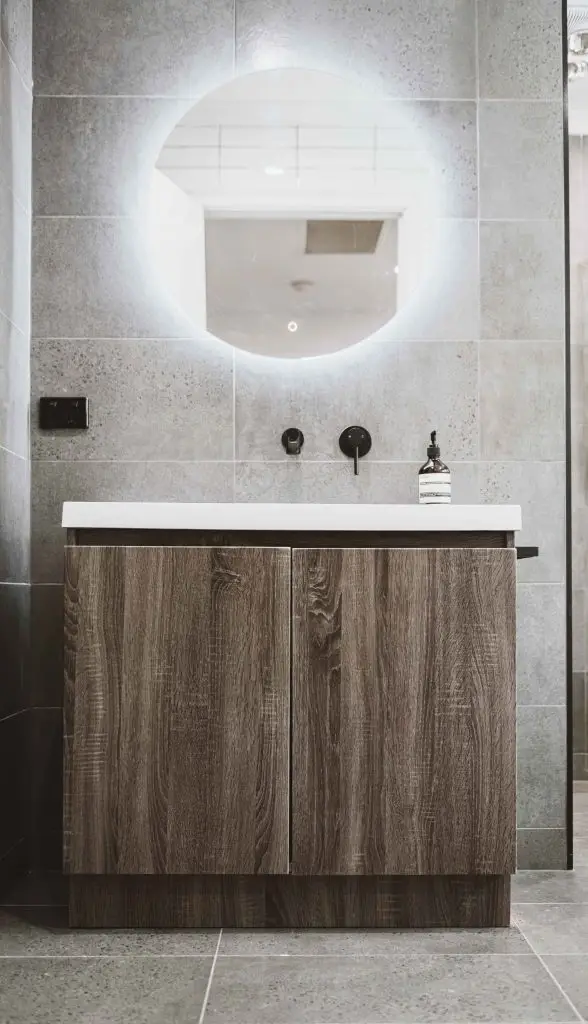
A successful bathroom renovation involves more than choosing attractive tiles, modern tapware and stylish fixtures. Proper ventilation is equally important for protecting the room from excess moisture, condensation and mould. When working with a bathroom renovations specialist, homeowners should understand how ventilation contributes to the comfort, durability and long term performance of their renovated space.
Bathrooms experience regular exposure to warm water and humidity. Without an effective ventilation system, moisture can accumulate on ceilings, walls, mirrors and other surfaces. Over time, this can contribute to mould growth, deteriorating finishes, damaged cabinetry and unpleasant odours.
For Adelaide homeowners planning bathroom renovations, ventilation should be considered from the beginning rather than treated as an optional finishing detail. Understanding the technical requirements, choosing suitable bathroom exhaust fans and selecting moisture resistant materials can help create a bathroom that is comfortable, functional and easier to maintain.
1. Why a Bathroom Renovations Specialist Prioritises Proper Ventilation
A properly ventilated bathroom helps manage moisture generated by showers, baths and everyday activities. When humid air cannot escape effectively, condensation may develop on cooler surfaces, creating conditions that encourage mould and mildew.
An experienced bathroom renovations specialist considers ventilation alongside the overall bathroom layout, electrical requirements, ceiling configuration and available airflow pathways.
Mechanical exhaust fans are commonly used to remove humid air from bathrooms that require additional ventilation. However, selecting the right fan involves more than choosing a product based on appearance or price.
Important bathroom renovations specialist considerations include:
- Bathroom dimensions and ceiling height.
- Expected moisture levels from showers and baths.
- The fan’s extraction capacity.
- The location of the exhaust outlet.
- Noise levels during operation.
- Access for cleaning and future maintenance.
The ventilation system should be appropriate for the room and installed according to applicable requirements and manufacturer instructions.
2. Choose the Best Exhaust Fan for Your Bathroom Size
Not all exhaust fans provide the same performance. A fan that is too small may struggle to remove humid air, while an unnecessarily powerful unit may increase costs without delivering meaningful benefits.
When selecting bathroom ventilation equipment, consider the room’s size, layout and intended use. Larger bathrooms or spaces with enclosed shower areas may require different ventilation arrangements from compact bathrooms.
A bathroom renovations specialist can help assess the appropriate fan capacity and installation position.
Other features worth considering include:
- Quiet operation: Low noise fans can make everyday bathroom use more comfortable.
- Energy efficiency: Efficient equipment can help reduce ongoing electricity consumption.
- Integrated lighting: Some products combine ventilation and lighting in one fitting.
- Humidity sensors: Certain models automatically activate when humidity reaches a specified level.
- Timer functions: These allow the fan to continue operating after someone leaves the bathroom.
Always check the manufacturer’s specifications and ensure the selected equipment is suitable for the intended installation.
3. Position Bathroom Ventilation Equipment Correctly
The location of an exhaust fan affects how effectively it removes humid air.
Ideally, ventilation should capture moisture close to its source, particularly around showers and baths. However, the installation must also consider ceiling construction, electrical connections and the available ducting route.
A poorly positioned fan may allow humid air to circulate throughout the bathroom before it is extracted.
The exhaust system must also discharge air to an appropriate external location rather than simply transferring moisture into the roof cavity. Incorrect ducting arrangements can create condensation problems in concealed spaces.
During bathroom renovation planning, discuss the proposed fan position with the relevant trades before ceiling work and electrical installations are completed.
Good coordination between electrical work, ceiling construction and ventilation installation helps avoid unnecessary adjustments later in the project.
4. Understand the Importance of Waterproofing
Ventilation and waterproofing perform different but complementary functions.
Ventilation helps remove excess moisture from the air, while waterproofing protects building materials and adjoining spaces from water penetration.
Even an effective exhaust fan cannot compensate for incorrectly installed waterproofing.
Wet-area preparation requires careful attention to substrates, floor falls, wall and floor junctions, penetrations and drainage points. These details should be completed according to applicable National Construction Code requirements and relevant Australian Standards.
The Australian Building Codes Board provides useful information about waterproofing requirements for residential buildings.
A professional bathroom renovations specialist understands the importance of coordinating waterproofing with plumbing, tiling and fixture installation.
Before work begins, homeowners should clarify what waterproofing system will be used, who is responsible for the installation and what documentation will be provided.
5. Select Moisture Resistant Bathroom Materials
Bathroom materials are regularly exposed to humidity, temperature changes, cleaning products and occasional water splashes.
Choosing suitable bathroom renovation materials helps maintain the appearance and functionality of the renovated room.
When selecting finishes, consider:
- Moisture-resistant cabinetry and appropriate edge finishes.
- Suitable wall and floor tiles.
- Quality grout and correctly installed sealant.
- Corrosion-resistant tapware and accessories.
- Bathroom-rated lighting and electrical fittings.
- Durable surfaces that are easy to clean.
Ventilation should also influence material decisions. For example, timber-based cabinetry may require suitable protective finishes and appropriate placement to reduce prolonged exposure to moisture.
A bathroom renovations specialist can help coordinate material selections with the intended ventilation and waterproofing arrangements.
The right combination of materials and ventilation can make a significant difference to ongoing maintenance requirements.
6. Plan for Bathroom Maintenance and Long-Term Performance
Even a well-designed ventilation system needs regular maintenance.
Dust and debris can accumulate around exhaust fan covers and affect airflow. Homeowners should follow the manufacturer’s cleaning and servicing recommendations to keep equipment operating effectively.
Other useful bathroom maintenance practices include:
- Cleaning exhaust fan covers regularly.
- Checking that the fan operates correctly.
- Keeping ventilation outlets clear.
- Inspecting sealant around baths, showers and basins.
- Addressing plumbing leaks as soon as they appear.
- Monitoring ceilings and corners for recurring condensation or mould.
- Maintaining adequate airflow after showering.
The Australian Government’s YourHome resource provides additional information about ventilation and airtightness in residential buildings.
Good maintenance habits help protect bathroom finishes and identify developing problems before they become more extensive.
7. Work with a Qualified Bathroom Renovations Specialist in Adelaide
Bathroom renovations involve several interconnected trades and construction stages. Plumbing, electrical work, waterproofing, tiling, cabinetry and ventilation must be coordinated to achieve a reliable result.
Working with a professional bathroom renovations specialist can make the process easier by providing clear communication, coordinated scheduling and a defined scope of work.
When comparing bathroom renovation companies in Adelaide, consider the following:
- Relevant building licences and trade qualifications.
- Appropriate insurance and compliance arrangements.
- A clearly documented scope of work.
- Transparent pricing and material allowances.
- Coordination between different trades.
- Waterproofing documentation and relevant certificates.
- Product warranties and workmanship warranty conditions.
- A clear point of contact throughout the project.
South Australia’s Consumer and Business Services provides guidance on using a licensed plumber.
Homeowners should also request the relevant certificates of compliance after applicable plumbing and electrical work is completed. Further information is available through SA.GOV.AU’s certificates of compliance guidance.
Choosing a renovation company that understands the complete renovation process can help homeowners manage decisions, coordinate trades and maintain visibility over the work being completed.
How Adelaide Bathroom Renovations Can Help
At Adelaide Bathroom Renovations, we understand that a successful bathroom project requires careful planning, suitable materials and properly coordinated trades.
Our team helps Adelaide homeowners with bathroom, ensuite, laundry and toilet renovations, managing the important stages involved in transforming an existing space.
Whether you are updating an older bathroom or planning a completely new design, having the right renovation team can help make decisions clearer and the process more manageable.
If you are looking for a reliable bathroom renovations specialist in Adelaide, visit Adelaide Bathroom Renovations to explore our renovation services and discuss your project.
Consider your ventilation requirements, waterproofing, material selections and long term maintenance before construction begins. With the right planning and professional guidance, you can create a bathroom that looks attractive, functions properly and remains comfortable for years to come.
8. Understand How Bathroom Ventilation Affects Your Renovation Budget
When planning a bathroom renovation, it is important to consider ventilation as part of the overall project budget rather than an additional expense to address later.
A bathroom renovations specialist can help identify the ventilation requirements early, allowing the appropriate equipment, electrical work and ducting arrangements to be included in the renovation scope.
The cost of bathroom ventilation can vary depending on the size of the room, the type of exhaust fan selected and the complexity of the installation.
For example, replacing an existing exhaust fan may be relatively straightforward if the current electrical connections and ducting are suitable. However, installing a new ventilation system may require additional ceiling access, electrical work or duct modifications.
When preparing your budget, consider:
- The cost of the exhaust fan and associated equipment.
- Electrical installation and connection requirements.
- Ducting materials and installation.
- Ceiling modifications where necessary.
- Additional ventilation requirements for enclosed shower areas.
- Ongoing cleaning and maintenance.
A bathroom renovations specialist can assess the existing conditions and explain which elements may need to be upgraded.
It is also worth considering the long term value of selecting suitable equipment. A quieter, energy-efficient fan with appropriate extraction capacity may provide a better everyday experience than choosing the cheapest available product.
Rather than treating ventilation as a minor finishing detail, include it in your initial renovation planning. This can help avoid unexpected variations and ensure the completed bathroom has the necessary ventilation arrangements.
9. Avoid Common Bathroom Ventilation Mistakes
Even a beautifully renovated bathroom can experience ongoing moisture problems if ventilation is not properly considered.
Working with a bathroom renovations specialist can help homeowners identify potential issues before construction begins.
Some common mistakes to avoid include:
Choosing an Exhaust Fan Based Only on Price
The cheapest exhaust fan may not provide the extraction capacity required for your bathroom.
Consider the room dimensions, ceiling height, expected moisture levels and manufacturer’s specifications before selecting equipment.
A bathroom renovations specialist can help determine whether the proposed fan is suitable for the intended space.
Installing the Fan in an Ineffective Position
The position of the exhaust fan influences how effectively humid air is removed.
A poorly positioned unit may struggle to capture moisture around showers and baths, allowing condensation to develop elsewhere in the room.
Discuss fan placement with your renovation team before electrical and ceiling work is completed.
Discharging Moist Air Into the Roof Cavity
An exhaust system needs to discharge air to an appropriate external location.
Simply transferring humid air into the roof cavity can contribute to condensation and moisture-related problems in concealed spaces.
A qualified bathroom renovations specialist should ensure the proposed ducting arrangement is appropriate for the building and installation requirements.
Overlooking Natural Airflow
Mechanical extraction is important, but the overall airflow within the room should also be considered.
Depending on the bathroom layout, suitable air intake pathways may be needed to allow the exhaust system to operate effectively.
Discuss how air will enter and move through the room when planning your ventilation arrangements.
Forgetting About Future Maintenance
Exhaust fans require cleaning and occasional maintenance. Installing equipment in a location that is difficult to access can make these tasks less convenient.
A bathroom renovations specialist should consider accessibility when planning the ceiling layout and selecting ventilation equipment.
Assuming Waterproofing Will Solve Every Moisture Problem
Waterproofing protects building materials from water penetration, while ventilation helps manage moisture in the air.
Both are important, but they perform different functions.
A bathroom renovations specialist should ensure the renovation includes suitable waterproofing and ventilation arrangements rather than relying on one system to compensate for the other.
10. Consider Ventilation When Planning a Bathroom Layout
The layout of a bathroom can influence how easily moisture is managed.
For example, a large walk in shower, enclosed wet area or bathroom with limited natural airflow may require additional consideration during the design process.
A bathroom renovations specialist should assess the proposed layout alongside the ventilation requirements before finalising the design.
Enclosed Showers and Wet Areas
Walk-in showers and enclosed shower spaces can create concentrated moisture and humidity.
Consider where the exhaust fan will be positioned in relation to the shower and whether the proposed ventilation arrangement is suitable for the room.
The selection and installation of electrical equipment must also account for the bathroom’s wet-area zones and applicable safety requirements.
Small Bathrooms and Ensuites
Smaller bathrooms and ensuites can experience noticeable humidity because moisture is generated within a relatively confined space.
A bathroom renovations specialist can help assess the available ceiling space, fan capacity and ducting route to determine a suitable solution.
Where space is limited, combining practical storage, suitable lighting and effective ventilation during the design stage can help create a more comfortable room.
Bathrooms With Limited Windows
Not every bathroom has access to an external window.
In these situations, mechanical ventilation may play an important role in removing humid air.
A bathroom renovations specialist can help determine the appropriate ventilation approach based on the room’s configuration and applicable building requirements.
Combined Bathroom and Laundry Spaces
Bathrooms that incorporate laundry facilities may generate additional moisture through washing machines and indoor clothes drying.
The ventilation design should account for how the combined space will be used rather than focusing exclusively on the shower area.
Considering these activities during the planning stage can help create a more practical and comfortable environment.
11. Coordinate Ventilation With Lighting and Electrical Design
Bathroom lighting and ventilation are often planned together because both involve ceiling space and electrical installation.
A bathroom renovations specialist can help coordinate these elements so that the selected fittings work with the overall design.
For example, some exhaust fans include integrated lighting, which can be useful in bathrooms where ceiling space is limited.
However, combination units should be selected based on their ventilation performance as well as their lighting features.
Other considerations include:
- General ceiling lighting.
- Task lighting around mirrors and vanities.
- Appropriate electrical fittings for bathroom locations.
- Fan controls and timer functions.
- Humidity sensor compatibility.
- Access for future servicing.
A bathroom renovations specialist should also coordinate the electrical layout with the cabinetry, shower enclosure and ceiling design.
Making these decisions early can reduce the likelihood of having to reposition fittings after other construction work has been completed.
12. Why Project Coordination Matters in Bathroom Renovations
Bathroom renovations involve several trades working within a relatively small space. Plumbing, electrical work, waterproofing, tiling, cabinetry and ventilation all need to be completed in a coordinated sequence.
This is where an experienced bathroom renovations specialist can provide valuable support.
Rather than organising each trade independently, homeowners can benefit from a renovation process where responsibilities, scheduling and communication are clearly established.
At Adelaide Bathroom Renovations, the specialist renovation division is supported by the established Plumfast team, bringing key trades together through a coordinated approach.
The process can include:
- Initial consultation and site assessment.
- Estimating and renovation planning.
- Design support and material selections.
- Plumbing and electrical coordination.
- Waterproofing and tiling.
- Cabinetry and fixture installation.
- Final checks and project handover.
A bathroom renovations specialist can help ensure ventilation requirements are considered alongside the other construction activities, rather than being left until the final stages.
Homeowners also have access to an online customer portal where scheduled work, documentation, invoices and progress photographs can be viewed.
Having a central point of contact can make it easier to understand what is happening throughout the renovation and who to contact when questions arise.
13. Prepare the Right Questions Before Your Bathroom Renovation
Before committing to a renovation, it is worth asking your prospective bathroom renovations specialist a few important questions.
Understanding the proposed ventilation system, waterproofing arrangements and project scope can help you make informed decisions.
Consider asking:
- What ventilation system is recommended for my bathroom?
- Is the proposed exhaust fan suitable for the room size?
- Where will the exhaust air be discharged?
- Are additional electrical or ducting works required?
- How will ventilation be coordinated with the ceiling and lighting?
- What waterproofing system will be installed?
- Who is responsible for coordinating the different trades?
- What documentation will be provided following relevant work?
- What maintenance will the ventilation system require?
- What is included in the renovation quotation?
A reliable bathroom renovations specialist should be able to explain the proposed work and help clarify any areas you do not understand.
It is also important to review the quotation carefully and confirm the inclusions, exclusions, product selections and expected construction schedule.
Taking time to ask these questions before work begins can help reduce uncertainty and establish clear expectations.
Choosing a Bathroom Renovations Specialist
Ventilation is one of the most important considerations in a successful bathroom renovation. While tiles, tapware and cabinetry often receive the most attention, the systems behind the finished surfaces contribute significantly to the room’s comfort and long-term performance.
Choosing suitable exhaust equipment, planning the ducting route, coordinating electrical work and selecting appropriate materials can all help manage moisture and condensation.
Working with an experienced bathroom renovations specialist can make these decisions easier by bringing the different elements of the project together.
At Adelaide Bathroom Renovations, homeowners can access a coordinated renovation approach supported by the established Plumfast team, with key trades and project stages managed through one team.
If you are updating an existing bathroom, renovating an ensuite or planning a complete wet-area transformation, the right preparation can help create a space that looks attractive and performs well.
If you are looking for a bathroom renovations specialist in Adelaide, visit Adelaide Bathroom Renovations to explore the team’s services and discuss your upcoming project.