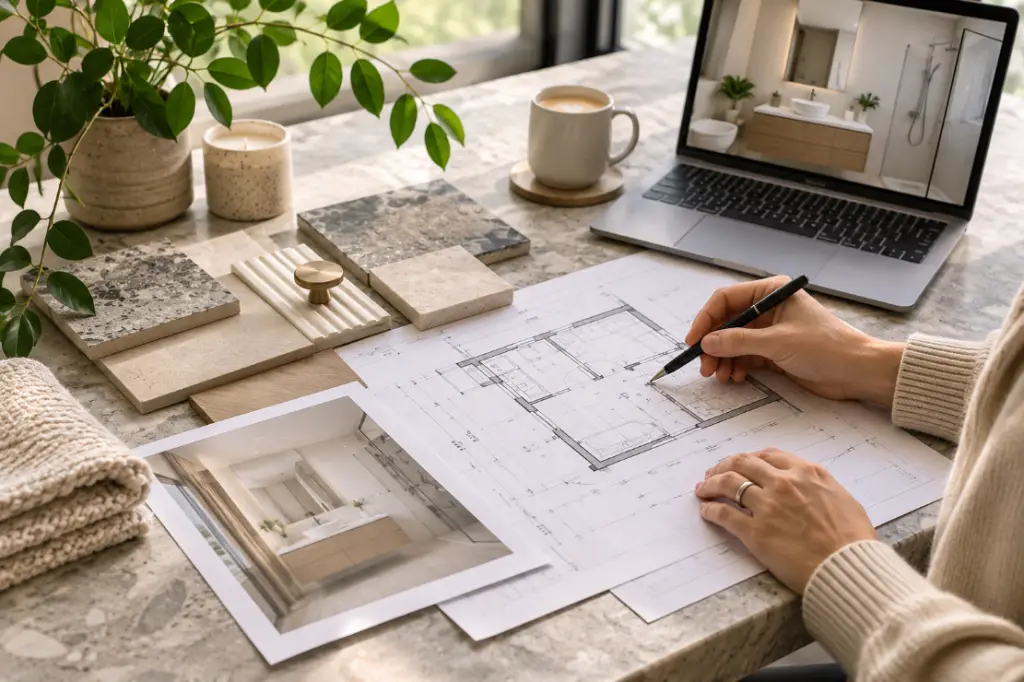
Planning a bathroom renovation is exciting, but managing the expenses can quickly become overwhelming without a clear financial plan. A realistic bathroom renovations budget helps homeowners balance design preferences, material choices, labour costs and essential construction work while keeping their project financially manageable.
If you are upgrading a small bathroom, refreshing an ensuite or planning a complete transformation, understanding where your money goes is an important part of successful bathroom renovation planning.
For Adelaide homeowners, bathroom renovations budget can vary depending on the bathroom’s size, existing condition, plumbing requirements, waterproofing, fixtures and selected finishes. The best approach is to consider the entire project rather than focusing only on the price of individual products.
At Adelaide Bathroom Renovations, we understand that every renovation has different requirements. Careful planning, clear communication and coordinated project management help homeowners make informed decisions before construction begins.
Here are seven practical ways to manage your bathroom renovations budget, avoid unnecessary expenses and achieve a functional, attractive bathroom without compromising essential workmanship.
1. Start Your Bathroom Renovations Budget with a Clear Plan
Before visiting showrooms or choosing bathroom fixtures, establish what you want to achieve. Having a clear renovation plan makes it easier to identify priorities, estimate expenses and prepare a realistic bathroom renovations budget.
Start by assessing the existing bathroom. Does it need a complete transformation or would replacing selected fixtures and finishes be enough?
For example, an older bathroom may require new waterproofing, plumbing repairs, electrical work and replacement tiles. A bathroom with a functional layout and sound underlying surfaces may only need a new vanity, shower screen, tapware and updated finishes.
Your initial planning should cover:
- The overall renovation scope and desired outcome.
- Existing bathroom measurements and layout.
- Fixtures and fittings that need replacing.
- Plumbing and electrical modifications.
- Demolition and waste removal.
- Waterproofing and tiling requirements.
- Cabinetry, storage and material selections.
- Additional features such as improved lighting and ventilation.
It is also important to consider how your household uses the space. A family bathroom may require additional storage and durable materials, while an ensuite renovation might focus on a more personalised design.
A clearly defined scope helps your renovation contractor Adelaide team prepare a more accurate quotation. It also reduces the likelihood of changing important decisions after construction has started.
2. Understand Material Allowances and Optional Upgrades
Material selections can significantly influence your bathroom renovations budget. Tiles, vanities, tapware, shower screens and sanitaryware are available at different price points, making it important to understand what is included in your renovation quotation.
One important detail to check is the product allowance.
An allowance is an estimated amount included in a quotation for an item that has not yet been selected or finalised. For instance, your renovation quote might include a specific allowance for bathroom tiles. If you later choose a more expensive product, the difference may increase the final project cost.
Before approving a quotation, ask your renovation company:
- Which fixtures and materials are included?
- Are product allowances realistic for your preferred quality?
- Does the allowance cover supply only or installation as well?
- Are optional upgrades listed separately?
- How will changes to selections affect the final price?
Consider comparing several options before making your final selections. A premium vanity or designer tapware may improve the appearance of your bathroom, but a more affordable alternative could deliver similar functionality.
The objective is not necessarily to choose the cheapest products. It is to select materials that provide a suitable balance of appearance, durability, maintenance and cost.
3. Prioritise Essential Construction Work Over Decorative Upgrades
When planning a bathroom renovation, it can be tempting to spend more on attractive tiles, designer fixtures and decorative finishes. However, the most important parts of the renovation are not always visible.
Waterproofing, plumbing, electrical work and surface preparation are essential considerations when establishing a bathroom renovations budget.
For example, beautiful wall tiles cannot compensate for incorrectly installed waterproofing. Similarly, replacing an expensive vanity will not resolve an underlying plumbing problem.
Your budget should prioritise essential construction requirements, including:
- Proper demolition and waste disposal.
- Plumbing repairs and necessary alterations.
- Electrical installation and lighting.
- Floor and wall preparation.
- Compliant waterproofing.
- Professional tiling and installation.
- Appropriate ventilation.
- Final finishing and quality checks.
Waterproofing deserves particular attention because moisture can damage surrounding structures if wet areas are not properly protected.
The Australian Building Codes Board provides guidance on wet area waterproofing under the National Construction Code. Homeowners can refer to its waterproofing guidance for residential buildings to better understand the importance of compliant construction.
Investing in essential work helps protect your property and reduces the risk of expensive repairs caused by poor workmanship.
4. Keep Your Existing Bathroom Layout Where Practical
Changing the position of a toilet, shower, bath or vanity can add complexity to a renovation.
Relocating plumbing connections may require additional pipework, drainage alterations, floor preparation and coordination between different trades. Electrical modifications can also increase the overall scope of work.
If your existing bathroom layout is functional, retaining the current fixture positions may be a practical way to manage your bathroom renovations budget.
For example, you could modernise the room by replacing an outdated vanity, installing a contemporary shower screen, updating the tiles and selecting new tapware without completely changing the layout.
However, retaining the existing arrangement is not always the best decision. If the bathroom has poor accessibility, insufficient storage or an inefficient design, changing the layout may provide better long-term functionality.
Discuss the available options with your renovation specialist before making a decision. Understanding the additional costs and benefits will help you determine whether a layout change is worthwhile.
Explore Adelaide Bathroom Renovations to learn more about the team’s approach to complete bathroom renovation projects.
5. Compare Bathroom Renovation Materials Before Buying
The materials you select influence more than the initial renovation price. They also affect the appearance, durability and maintenance requirements of your finished bathroom.
When comparing bathroom renovation materials, consider how each product suits your household and the overall design.
Here are some important selections to review:
Tiles: Compare porcelain and ceramic options, including their size, finish, maintenance requirements and suitability for different bathroom surfaces.
Vanities: Consider storage capacity, dimensions, construction quality and benchtop materials. A practical vanity can improve everyday organisation without requiring additional cabinetry.
Tapware: Look at durability, water efficiency, finishes and ease of cleaning. Select products that complement your overall bathroom design.
Shower screens: Compare framed, semi-frameless and frameless options based on appearance, cleaning requirements and available space.
Lighting: Choose suitable fittings that provide sufficient illumination for everyday activities while complementing the bathroom’s design.
Ventilation: Include appropriate exhaust ventilation to help manage moisture and reduce condensation.
You should also consider how different materials work together. Selecting a consistent design direction before purchasing products helps prevent unnecessary changes and mismatched finishes.
If you are planning a more personalised bathroom upgrade, consider exploring design ideas through a consultation with a specialist renovation team.
6. Include a Contingency Allowance in Your Budget
Even with careful planning, unexpected expenses can arise during bathroom renovations.
Some problems only become visible after demolition begins. Older properties, for example, may have concealed water damage, deteriorating wall substrates, plumbing issues or previous renovation work that requires attention.
These discoveries can affect the scope, cost and construction schedule.
Including a contingency allowance in your bathroom renovations budget provides additional financial flexibility if unexpected work becomes necessary.
The appropriate amount depends on the property’s condition, the age of the bathroom and the complexity of the proposed renovation.
Before construction begins, discuss how unexpected issues will be handled.
Your renovation agreement should explain:
- How additional work will be identified.
- Whether variations require homeowner approval.
- How additional expenses are calculated.
- Whether variations affect the construction schedule.
- How changes are documented and communicated.
Avoid assuming that every possible repair is automatically included in the original quotation. Understanding exclusions and potential additional expenses helps prevent misunderstandings.
A transparent variation process also gives homeowners greater control over their spending throughout the renovation.
7. Finalise Your Selections Before Construction Begins
Late changes can affect more than the cost of materials. They may also influence trade scheduling, product delivery and the overall bathroom renovation timeline.
For example, changing a vanity after cabinetry has been ordered may require new measurements and additional manufacturing time. Selecting different tiles after purchasing the original products could also create unnecessary expenses.
One of the most effective ways to protect your bathroom renovations budget is to finalise important decisions before construction begins.
Your pre construction bathroom renovations budget checklist should include:
- Confirmed bathroom layout and measurements.
- Approved product and material selections.
- Final cabinetry and fixture specifications.
- Plumbing and electrical requirements.
- Agreed scope of work and exclusions.
- Construction schedule and payment milestones.
- Access arrangements and household considerations.
It is also worth considering how the renovation will affect your daily routine. If your home has only one bathroom, you may need to arrange alternative facilities during construction.
A dedicated project coordinator can help organise these details, communicate updates and coordinate the different stages of the renovation and the bathroom renovations budget.
A Practical Bathroom Renovations Budget Checklist
Before approving your bathroom renovations budget and quotation, review the following items to make sure important expenses have been considered.
- Is the complete renovation scope documented?
- Are demolition and waste removal included?
- Are plumbing and electrical requirements identified?
- Is waterproofing included?
- Are tiling, cabinetry and installation costs covered?
- Are product allowances realistic?
- Are optional upgrades priced separately?
- Are exclusions and potential additional expenses explained?
- Have unexpected repairs been considered?
- Are payment terms and variation procedures clear?
- Have construction stages and scheduling been discussed?
- Are warranty conditions and relevant documentation explained?
Reviewing these details before signing an agreement helps homeowners understand their financial commitments and avoid unnecessary surprises.
How Professional Project Management Helps Manage The Bathroom Renovations Budget
Managing a bathroom renovation involves more than choosing products and paying invoices. Different trades need to work in the correct sequence, materials must arrive when required and important decisions need to be made before they affect construction.
Without proper coordination, communication gaps and scheduling issues can create additional pressure on homeowners.
Working with a professional bathroom renovation company helps make the process more organised. A dedicated coordinator can oversee project scheduling, communicate progress and coordinate the different construction stages.
At Adelaide Bathroom Renovations, we bring renovation coordination and qualified trades together to manage projects from initial planning through to final handover.
Our approach includes:
- A dedicated project coordinator and single point of contact.
- Coordinated trades working together as one team.
- Clear communication and regular project updates.
- Planning and product selections before construction.
- Access to project schedules, documents, invoices and progress photographs through the customer portal.
- A 10 year waterproofing warranty for applicable wet-area work, subject to its terms and conditions.
Having one main point of contact also makes it easier for homeowners to raise questions, understand bathroom renovations budget updates and discuss decisions throughout the renovation.
Plan Your Bathroom Renovations Budget with Adelaide Bathroom Renovations
A successful renovation begins with a realistic bathroom renovations budget, a clearly defined scope and an understanding of where your money will be spent.
By planning early, comparing materials, prioritising essential construction work and allowing for unexpected expenses, you can make informed decisions while maintaining the quality of your finished bathroom.
At Adelaide Bathroom Renovations, we help Adelaide homeowners bring their bathroom ideas to life through carefully coordinated bathroom renovations budget and projects.
Ready to discuss your bathroom renovations budget and plans? Visit Adelaide Bathroom Renovations to get in touch with the team, discuss your budget and explore the possibilities for your home.