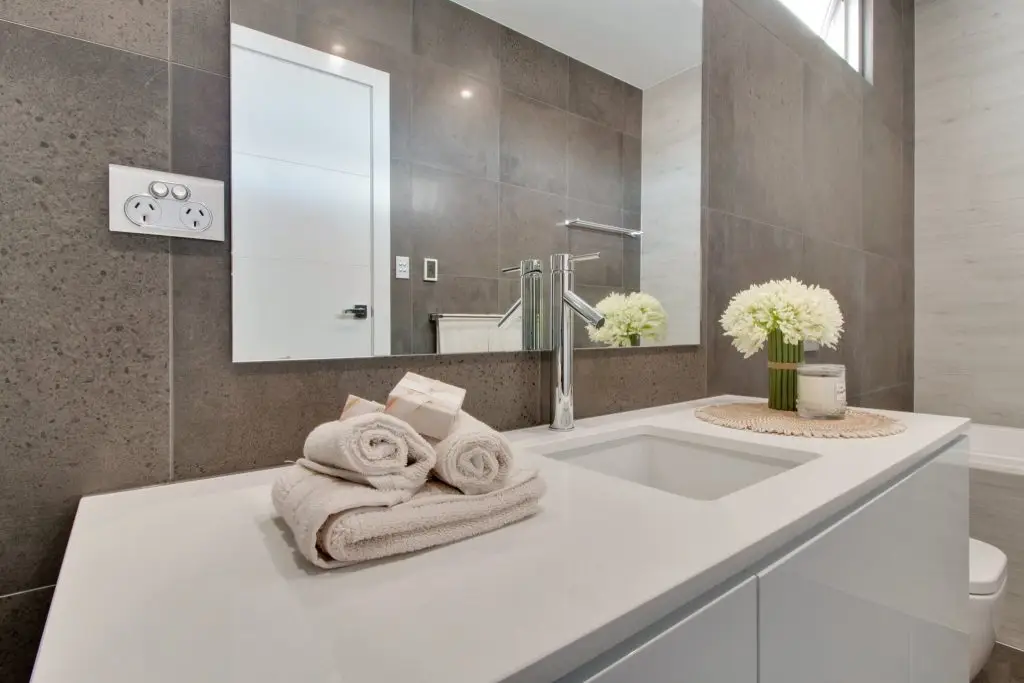
A successful bathroom renovation involves much more than choosing attractive tiles, modern tapware and stylish fixtures. Behind every well finished bathroom is a carefully coordinated construction process that ensures each stage is completed correctly and in the right order.
When comparing bathroom renovation builders in Adelaide, homeowners should look beyond the finished photographs. Understanding how a renovation progresses, how trades are coordinated and how important construction details are managed can help you make a more informed decision.
From the initial proposal and demolition through to waterproofing, tiling, fixture installation and final handover, every stage contributes to the quality and longevity of the finished space.
At Adelaide Bathroom Renovations, the focus is on bringing the planning and construction stages together through organised project coordination and clear communication. Understanding what happens throughout the renovation process can help you know what to expect and what questions to ask before work begins.
1. Bathroom Renovation Builders Start with a Detailed Project Proposal
Before demolition begins, homeowners and bathroom renovation builders need to establish a clear understanding of the project.
A detailed proposal provides a foundation for the entire renovation. It should identify the existing bathroom conditions, the intended design, the construction requirements and the products selected for installation.
Important details to establish include:
- Scope of work: Identify which areas, fixtures and surfaces will be removed, replaced or retained.
- Layout and measurements: Confirm the proposed positions of the shower, vanity, toilet, bath and other fixtures.
- Material selections: Document tiles, cabinetry, tapware, fittings and other finishes.
- Inclusions and exclusions: Clarify which materials, labour and services are included in the agreed price.
- Product allowances: Record the budget allocated to fixtures and finishes where final selections are not yet confirmed.
- Project scheduling: Establish indicative commencement dates, construction stages and expected milestones.
- Payment arrangements: Document payment terms and the process for approving additional work.
Photographs, measurements, drawings and product schedules can help prevent misunderstandings between homeowners and the renovation team.
This stage is also the right time to discuss potential structural changes, plumbing relocations and electrical requirements. Addressing these decisions before construction begins makes it easier to coordinate trades and manage the project budget.
A written proposal gives everyone a shared reference point and helps reduce avoidable changes once work is underway.
2. Demolition and Site Preparation
Once the scope and selections have been confirmed, the renovation moves into demolition and site preparation.
This stage involves removing existing bathroom components that will not form part of the new design. Depending on the project, this may include tiles, shower screens, vanities, toilets, baths, cabinetry and wall or floor linings.
However, demolition is not simply about removing old materials. It also provides an opportunity to inspect areas that were previously concealed.
Bathroom renovation builders should assess the exposed surfaces and identify any issues that could affect the new installation.
These may include:
- Water damage behind wall or floor coverings.
- Deteriorated substrates or structural materials.
- Existing plumbing leaks or damaged connections.
- Inadequate floor preparation or drainage.
- Conditions that require additional repairs before waterproofing.
If unexpected problems are discovered, the homeowner should be informed before additional work proceeds.
The team can then explain the issue, discuss suitable solutions and document any approved variations.
Proper site preparation is particularly important because waterproofing and tiling depend on suitable, stable and correctly prepared surfaces.
3. Plumbing and Electrical Rough In
After demolition and the necessary preparation work, plumbing and electrical rough in can begin.
Rough in refers to installing or modifying the services that will eventually connect to the bathroom’s fixtures and equipment.
Plumbing work may include repositioning water supply lines, waste connections, shower outlets, bath connections and vanity plumbing.
Electrical work may involve installing wiring and connection points for lighting, exhaust fans, heated towel rails, power outlets and other approved bathroom features.
The exact requirements depend on the design and existing infrastructure.
For example, relocating a vanity or changing the shower position may require plumbing modifications. Adding additional lighting or electrical features may also involve changes to the wiring and switching arrangements.
This is why bathroom renovation builders need to coordinate plumbing and electrical work with the approved layout.
The positions of fixtures, cabinetry and fittings should be confirmed before rough-in is completed. Making changes later can involve reopening finished surfaces and creating additional costs.
Using appropriately licensed and qualified trades is also important. South Australia’s Consumer and Business Services advises homeowners undertaking major renovation work, such as a new bathroom, to engage an appropriately licensed builder.
4. Wall and Floor Preparation Before Waterproofing
Waterproofing is one of the most important stages of bathroom construction.
Before a waterproofing membrane is applied, the walls and floors must be prepared to suit the selected system and the relevant construction requirements.
Preparation may include:
- Installing suitable wall and floor linings.
- Repairing uneven or damaged substrates.
- Preparing floor gradients and drainage areas.
- Treating relevant joints and penetrations.
- Preparing internal corners and wall-to-floor junctions.
- Ensuring surfaces are clean and suitable for membrane application.
The waterproofing system must be compatible with the substrates and materials used throughout the bathroom.
Bathroom renovation builders should also ensure that the required preparation, application and curing stages are not rushed.
Why waterproofing must be completed properly
Bathrooms are exposed to regular moisture, making effective waterproofing essential for protecting the surrounding building structure.
A poorly installed or damaged waterproofing system can allow moisture to penetrate behind tiles and into concealed areas. Over time, this may contribute to mould, deterioration and expensive repairs.
The applicable requirements should be checked against the current National Construction Code, South Australian variations and relevant Australian Standards, including AS 3740 where applicable.
For further information, homeowners can consult the Australian Building Codes Board and its National Construction Code resources.
It is also worth asking the renovation contractor what waterproofing documentation will be provided and whether any required inspections or records form part of the project.
5. Tiling and Surface Finishes
Once waterproofing has been completed and the necessary curing requirements have been met, tiling can proceed.
This stage begins transforming the prepared construction area into the bathroom’s finished interior.
Tile installation requires careful measurement, layout planning and attention to detail. The positioning of tiles can affect the appearance of the entire room, particularly around niches, corners, floor wastes and feature walls.
Important considerations include:
- Tile alignment: Maintaining consistent lines and spacing across walls and floors.
- Cutting and positioning: Planning cuts around fixtures, corners and other obstacles.
- Floor gradients: Maintaining appropriate falls towards drainage points.
- Grouting: Selecting suitable grout and applying it consistently.
- Movement joints: Providing appropriate joint treatments where required.
- Sealing and finishing: Completing junctions and transitions using suitable products.
Tile selection should also consider durability, maintenance requirements, slip resistance and suitability for the intended application.
For Adelaide homeowners, it is worth discussing how the chosen tile size, finish and layout will work within the dimensions of the bathroom.
Large-format tiles, for example, can create a clean and spacious appearance, but they require appropriate substrate preparation and installation techniques.
The objective is to achieve a finish that looks cohesive while supporting the practical requirements of a wet area.
6. Installing Fixtures, Cabinetry and Bathroom Accessories
After tiling and the relevant finishing work, the bathroom can move into its final installation stage.
This is when the selected fixtures, cabinetry and accessories are installed and connected.
Depending on the project scope, this may include:
- Vanity units and basins.
- Toilets and cisterns.
- Shower screens and shower fittings.
- Baths and bath tapware.
- Mirrors and mirrored cabinets.
- Towel rails and bathroom accessories.
- Lighting and exhaust fans.
- Heated towel rails and other electrical features.
Plumbing and electrical trades return to complete the final connections and test the installed equipment.
Bathroom renovation builders should coordinate these installations carefully to avoid damage to completed surfaces.
For example, the shower screen measurements should correspond with the finished tiled opening, while vanity and basin connections need to align with the approved plumbing positions.
Product availability can also influence scheduling. Custom cabinetry, shower screens and specialised fittings may require additional manufacturing or delivery time.
Confirming selections early helps the project team organise orders and coordinate installation dates more effectively.
7. Final Inspections, Quality Checks and Handover
The final stage is about checking that the completed bathroom meets the agreed project requirements.
Before handover, the renovation team should review the finished work and identify any outstanding items that need attention.
A practical bathroom handover checklist may include:
- Checking that taps, showers and plumbing connections operate correctly.
- Testing drainage and confirming that water flows towards the intended drainage points.
- Checking shower screens, doors and cabinetry.
- Inspecting visible tile alignment, grout and finishing details.
- Testing lighting, exhaust fans and installed electrical features.
- Checking silicone joints and relevant finishing work.
- Confirming that the work area has been cleaned.
- Providing relevant product information and warranty documentation.
Homeowners should also understand how to care for the installed surfaces, fixtures and finishes.
Any outstanding defects or incomplete items from your bathroom renovation builders should be documented and discussed before the project is considered complete.
A clear handover process from the bathroom renovation builders gives homeowners an opportunity to ask questions, understand maintenance requirements and keep important renovation records for future reference.
Why Choosing Experienced Bathroom Renovation Builders Matters
Bathroom renovation builders involves multiple trades, construction materials, product selections and technical requirements. Without proper coordination, even a straightforward project can encounter unnecessary delays or installation problems.
Choosing experienced bathroom renovation builders can help homeowners manage these moving parts through a more organised construction process.
A reliable renovation team should provide:
Clear project communication: Homeowners should know who to contact when they have questions or need an update.
Coordinated trades: Plumbing, electrical, waterproofing, tiling and installation work should be scheduled in the correct sequence.
Documented project scope: Inclusions, exclusions, selections and approved changes should be recorded clearly.
Appropriate qualifications: Relevant building and trade work should be completed by appropriately licensed and qualified professionals.
Attention to construction details: Preparation, waterproofing, drainage and finishing should receive the same attention as the visible design elements.
At Adelaide Bathroom Renovations, homeowners can discuss their requirements and explore renovation options through the company’s website.
Visit Adelaide Bathroom Renovations to learn more about our bathroom renovation builders and its bathroom renovation approach.
Questions to Ask Before You Engage Bathroom Renovation Builders
Before committing to a renovation, take the time to compare contractors based on more than their quoted price.
The following questions can help you assess whether a bathroom renovation builders team is suitable for your project:
- What exactly is included in the renovation proposal?
- Who will coordinate the different trades?
- Are plumbing, electrical and waterproofing works included?
- Who is responsible for ordering and supplying materials?
- What happens if hidden damage is discovered during demolition?
- How are additional costs and variations approved?
- What is the expected construction schedule?
- What licences and insurance arrangements apply to the work?
- Will waterproofing records and relevant documentation be provided?
- What workmanship warranties and product warranties apply?
A professional bathroom renovation builders should be willing to explain the renovation process and clarify the responsibilities involved.
It is also worth asking how progress updates will be provided and whether photographs or project records will be available throughout construction.
These discussions with your bathroom renovation builders help establish realistic expectations before work begins.
Plan Your Bathroom Renovation with Confidence
A quality bathroom renovation depends on more than an attractive design which is where your bathroom renovation builders are very important. It requires careful planning, suitable materials, skilled trades and a construction sequence that protects the integrity of the finished space.
From the initial proposal to the final handover, every stage plays an important role in achieving a practical and well finished bathroom.
When comparing bathroom renovation builders in Adelaide, look for a team that understands the complete renovation process and communicates clearly from beginning to end.
Adelaide Bathroom Renovations can be your starting point for discussing your renovation ideas, existing bathroom requirements and preferred finishes.
Visit https://adelaidebathroomrenovations.com.au/ to enquire about your project, bathroom renovation builders and take the next step towards planning your bathroom transformation.