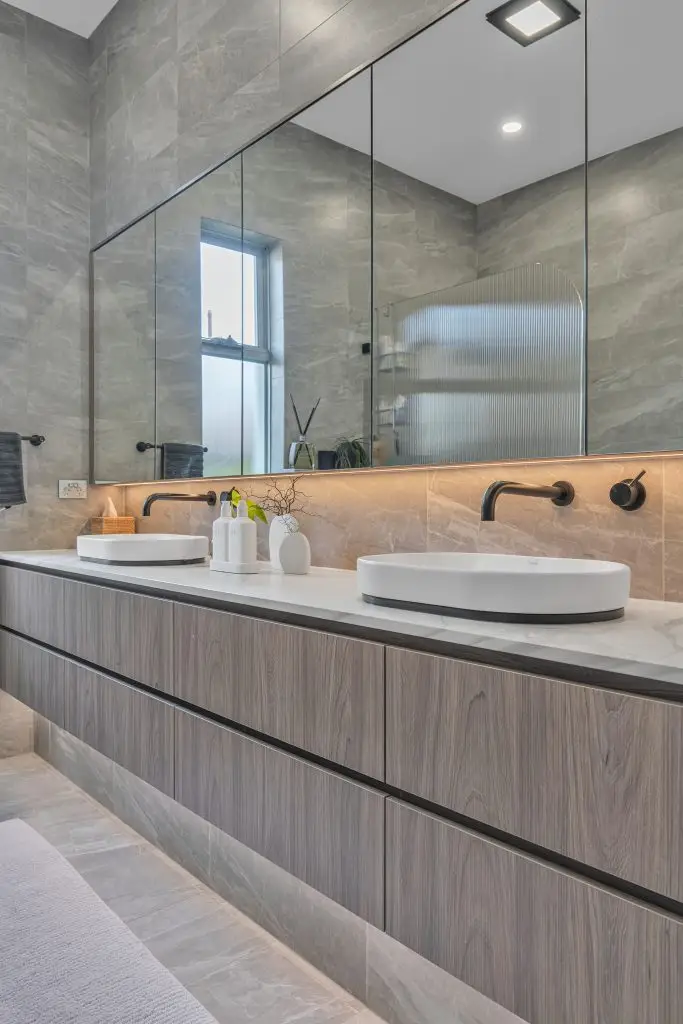
A well planned bathroom renovation budget helps Adelaide homeowners create a beautiful, functional space without unnecessary expenses. Whether you are updating a small ensuite or completely transforming an outdated bathroom, understanding the costs involved can help you make informed decisions and avoid unexpected financial surprises.
One of the biggest considerations when planning a bathroom renovation budget is deciding whether to retain your existing bathroom layout or relocate plumbing fixtures. Although changing the layout can improve functionality, moving toilets, showers and vanities may increase plumbing, labour and construction costs.
At Adelaide Bathroom Renovations, careful planning and coordinated project management help homeowners understand their options before construction begins. With the right preparation, you can prioritise essential improvements, select suitable materials and achieve a bathroom that meets your needs.
Here are seven practical ways to manage your bathroom renovation budget while maintaining quality workmanship and long-term value.
1. Set a Realistic Bathroom Renovation Budget Before Starting
The first step towards controlling your bathroom renovation budget is understanding the complete scope of work. Renovating a bathroom involves more than selecting attractive tiles, tapware and vanities. It also includes demolition, plumbing, electrical work, waterproofing, tiling, cabinetry and finishing.
Before making design decisions, consider the following:
- The existing condition and size of your bathroom.
- Whether the current plumbing layout will remain.
- The amount of demolition and preparation required.
- Your preferred fixtures, fittings and materials.
- Whether electrical or ventilation upgrades are necessary.
- Potential repairs to concealed water damage or structural issues.
It is important to separate essential construction work from optional upgrades. Waterproofing, compliant plumbing and appropriate electrical work should take priority over decorative features.
When establishing your bathroom renovation budget, include a contingency for unexpected issues. Older bathrooms may reveal damaged substrates, deteriorated plumbing or previous waterproofing problems once existing tiles and fixtures are removed.
Request a detailed scope of work so you understand what is included, what is excluded and which items may affect the final price.
2. Keep Your Existing Layout to Reduce Plumbing Costs
One of the most effective ways to manage your bathroom renovation budget is to retain your existing layout wherever practical.
Keeping the toilet, shower, vanity and other plumbing fixtures in their current positions can reduce pipework modifications, drainage changes and associated labour.
For example, replacing an existing vanity with a modern cabinet in the same location may be more affordable than relocating it to another wall. Similarly, updating your shower enclosure without changing its position can help avoid unnecessary plumbing alterations.
Keeping the original layout does not mean compromising on appearance. You can still achieve a significant transformation through:
- Modern vanity cabinets and basins.
- Updated tapware and shower fittings.
- Contemporary wall and floor tiles.
- Improved lighting and mirrors.
- Frameless or semi-frameless shower screens.
- Fresh colour schemes and coordinated finishes.
However, if your existing bathroom has poor functionality, limited storage or an awkward arrangement, relocating selected fixtures may be worthwhile.
The additional expense should be compared against the practical benefits. The best bathroom renovation budget is not necessarily the smallest one, but one that supports your household’s needs without unnecessary construction costs.
3. Choose Affordable, Durable Bathroom Renovation Materials
Material selections have a direct impact on your bathroom renovation budget. Tiles, vanities, tapware, shower screens and fixtures are available at different price points, making it important to compare options before committing.
Premium products can create a distinctive appearance, but affordable alternatives can also deliver an attractive and functional result.
Consider these practical approaches:
- Tiles: Compare standard porcelain tiles with premium designer options. Neutral colours and timeless designs can create an elegant finish without requiring expensive materials.
- Vanities: Choose cabinetry that provides sufficient storage and suits your bathroom dimensions rather than paying for unnecessary custom features.
- Tapware: Look for durable fittings with finishes that complement your overall design.
- Shower screens: Compare different glass configurations and frame options based on appearance, cleaning requirements and price.
- Mirrors: Consider standard or illuminated mirrors depending on your lighting requirements and available budget.
When planning your bathroom renovation budget, remember to consider long-term maintenance rather than focusing only on the purchase price.
Materials that are difficult to clean or unsuitable for wet environments may require more maintenance over time.
You should also check product allowances in your renovation quote. If you select products above the original allowance, the difference may increase the final contract price.
4. Prioritise Waterproofing and Qualified Workmanship
Saving money should never mean compromising on the essential construction work that protects your home.
Waterproofing is one of the most important stages of a bathroom renovation. Poor installation can allow moisture to penetrate surrounding structures, potentially resulting in damaged walls, flooring, mould and expensive repairs.
Plumbing and electrical work also require appropriately qualified tradespeople and compliance with relevant Australian requirements.
Instead of choosing the cheapest available quote, evaluate what each contractor includes in their proposal.
Check whether the scope covers:
- Appropriate surface preparation.
- Waterproofing installation and relevant documentation.
- Qualified plumbing and electrical work.
- Proper drainage and floor falls.
- Suitable tiling and sealing.
- Final inspections and quality checks.
The Australian Government’s YourHome renovation guide provides useful information about renovation planning, professional trades and construction considerations.
Investing in quality workmanship can help reduce the likelihood of defects and avoidable repair costs.
A realistic bathroom renovation budget should account for essential construction requirements before allocating money to decorative upgrades.
5. Finalise Your Selections to Avoid Unexpected Expenses
Changing your mind during construction can affect your bathroom renovation budget and project schedule.
For example, changing tile selections after ordering may result in additional material costs. Relocating plumbing after installation has started can also require completed work to be adjusted or repeated.
To minimise unnecessary expenses, finalise the following before construction:
- Bathroom layout and fixture positions.
- Tile selections and quantities.
- Vanity dimensions and finishes.
- Tapware and shower fittings.
- Shower screen specifications.
- Lighting and electrical requirements.
- Storage and accessory selections.
It is also worth confirming product availability and lead times before construction begins. Custom cabinetry, special-order tiles and glass shower screens may require additional preparation and ordering time.
Clear communication between homeowners, suppliers and renovation teams helps minimise avoidable delays.
A well-organised selection process makes it easier to maintain control of your bathroom renovation budget throughout the project.
6. Compare Itemised Quotes to Protect Your Bathroom Renovation Budget
Receiving multiple renovation quotes can help you understand the market and evaluate different approaches. However, comparing only the final totals may lead to an inaccurate assessment.
One contractor may include demolition, rubbish removal, waterproofing, plumbing, electrical work and installation, while another may exclude several of these services.
Before accepting a proposal, request an itemised breakdown showing:
- Demolition and waste removal.
- Plumbing and drainage.
- Electrical work and lighting.
- Waterproofing.
- Tiling and surface preparation.
- Vanity and cabinetry installation.
- Fixtures, fittings and accessories.
- Labour and project coordination.
- Exclusions, allowances and potential variations.
South Australia’s Consumer and Business Services home renovation advice provides guidance about written quotes and using appropriately licensed tradespeople.
You should also review payment terms, variation procedures and warranty conditions before signing an agreement.
A transparent quote helps you identify where adjustments can be made without compromising important construction requirements.
When comparing contractors, consider the complete value of the service rather than selecting the lowest price. This is an important part of maintaining a realistic bathroom renovation budget.
7. Work With a Professional Bathroom Renovation Company in Adelaide
Managing separate trades, deliveries and installation schedules can become complicated, particularly when several construction stages depend on one another.
A professional bathroom renovation company can coordinate the process, helping homeowners understand the work involved and the decisions required at each stage.
Adelaide Bathroom Renovations provides a specialist renovation service designed to help homeowners manage their projects from planning through to completion.
The company was established as Plumfast’s specialist renovation division, allowing customers to access a coordinated approach through an established Adelaide trade group.
A dedicated renovation team can help with:
- Planning the renovation scope.
- Coordinating relevant trades.
- Organising construction stages.
- Communicating project updates.
- Managing documentation and project information.
- Addressing questions throughout the renovation.
You can explore the available services through Adelaide Bathroom Renovations.
Working with an experienced renovation specialist can make the process more organised and help you understand how design decisions, construction requirements and material selections influence your bathroom renovation budget.
Fixed Layout or Moving the Plumbing: Which Option Is Better?
Ultimately, the right decision depends on your bathroom’s existing condition, available space and household requirements.
Keeping the existing layout is generally worth considering when the current arrangement is functional and your main objective is to update the appearance.
Moving plumbing may be worthwhile when the existing layout creates significant usability problems, restricts access or prevents you from achieving the bathroom design you want.
Before deciding, ask your renovation contractor to explain the additional work involved and how each option affects your bathroom renovation budget.
The best approach is not necessarily the cheapest one. It is the option that delivers the right balance of functionality, durability and cost.
Frequently Asked Questions About Your Bathroom Renovation Budget
How much should I set aside for a bathroom renovation?
The amount depends on the size and condition of your bathroom, material selections, labour requirements and whether plumbing or electrical services need to be relocated. Request an itemised quote based on your actual project rather than relying on a general estimate.
Is it cheaper to keep the existing bathroom layout?
In many cases, yes. Retaining the existing toilet, shower and vanity positions can reduce plumbing modifications and labour. However, layout changes may be worthwhile if they significantly improve functionality.
What is the most expensive part of a bathroom renovation?
Costs vary between projects. Labour-intensive work, plumbing changes, waterproofing, tiling and premium fixtures can represent significant portions of the overall budget. The existing condition of the bathroom also influences the final cost.
Should I include a contingency in my bathroom renovation budget?
Yes. A contingency provides room for unexpected issues, such as concealed water damage, deteriorated surfaces or additional repairs discovered during demolition. Your contractor can help identify potential risks during the initial assessment.
Can I save money by purchasing my own bathroom fixtures?
Possibly, but confirm this with your renovation contractor first. Check product specifications, compatibility, availability, delivery arrangements and warranty responsibilities before purchasing anything independently.
How can I compare bathroom renovation quotes?
Compare the detailed scope, inclusions, exclusions, material allowances, payment terms and warranty conditions. A lower price may not represent better value if essential construction work is excluded.
Plan Your Bathroom Renovation Budget with Adelaide Bathroom Renovations
A successful renovation starts with informed decisions and a realistic bathroom renovation budget. From retaining your existing plumbing layout to selecting durable materials and coordinating qualified trades, every decision can influence the final result.
Whether you are planning a practical bathroom update or a complete transformation, Adelaide Bathroom Renovations can help you explore your options and understand the work involved.
Visit Adelaide Bathroom Renovations to discuss your renovation plans and arrange a consultation. Start with a clear understanding of your priorities, preferred design and available budget so you can move towards a bathroom that works for your home.