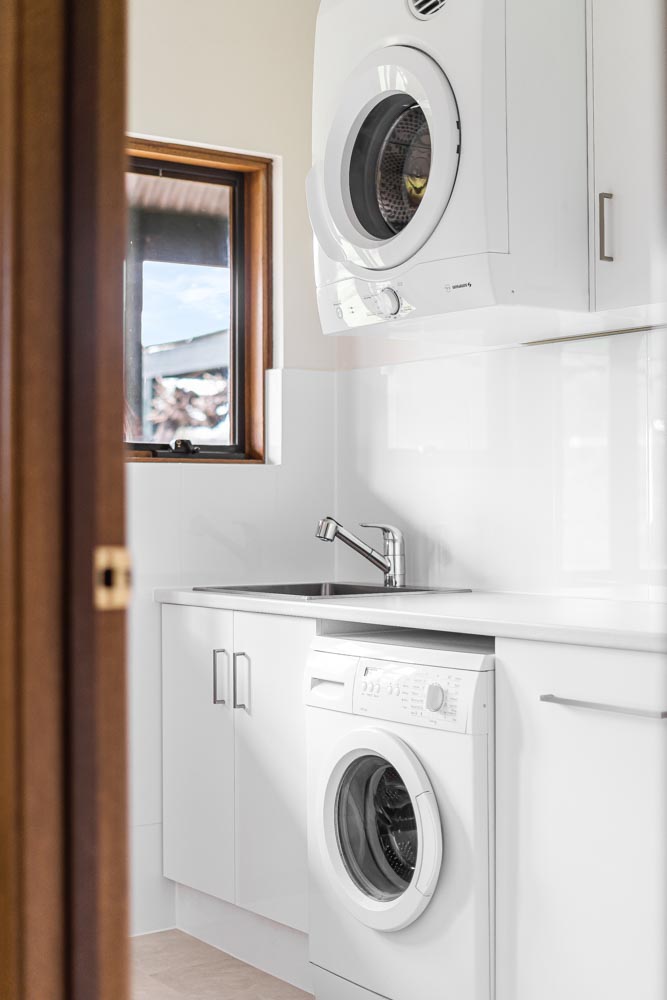
Planning Adelaide home renovations involves more than choosing attractive tiles, cabinetry and tapware. Whether you’re upgrading a laundry, bathroom or utility space, successful renovations depend on practical planning, a functional layout and properly coordinated plumbing and electrical services.
A well-designed laundry should make everyday household tasks easier while maximising available space. However, overlooking appliance dimensions, drainage, power points or ventilation can lead to unnecessary expenses and construction delays.
For homeowners considering Adelaide home renovations, getting these details right from the beginning can make a significant difference to the final result.
At Adelaide Bathroom Renovations, we understand the importance of bringing different trades and construction stages together. With coordinated project management and multi-trade capabilities, homeowners can approach their renovation with greater clarity and confidence.
Here are seven practical tips to help you create a functional, organised and attractive laundry.
1. Start Adelaide Home Renovations with a Practical Layout
The first step in successful Adelaide home renovations is understanding how the space will be used.
Before choosing cabinetry or finishes, consider your household’s daily routines. In a laundry, think about where washing machines, dryers, troughs, storage baskets and cleaning products will be positioned.
A practical layout should account for:
- Washing machine and dryer dimensions.
- Appliance door openings and clearance.
- Bench space for sorting and folding clothes.
- Storage for detergents and cleaning supplies.
- Access to plumbing connections and drainage.
- Adequate movement between appliances and cabinetry.
For smaller homes, every centimetre matters. A carefully measured layout can help maximise storage without making the room feel cramped.
Consider how the laundry connects to adjoining areas as well. Good planning ensures that doors, walkways and storage do not interfere with one another.
2. Coordinate Plumbing and Electrical Services Early
Plumbing and electrical planning should happen before cabinetry, wall linings and finishes are installed.
Water connections, drainage outlets, power points, lighting and ventilation all need to work with the proposed layout.
For example, placing a washing machine in a different position may require adjustments to water supply lines and waste connections. Similarly, adding a dryer or additional appliances may require changes to electrical arrangements.
During the planning stage, consider:
- Water supply and drainage locations.
- Washing machine and dryer connections.
- Accessible power points for appliances.
- Task lighting above work surfaces.
- Exhaust ventilation where required.
- Safe positioning of electrical fittings around wet areas.
Coordinating these services early helps reduce unnecessary alterations, additional labour and construction delays.
Always engage appropriately licensed tradespeople for regulated plumbing and electrical work. In South Australia, homeowners should also request the relevant electronic Certificates of Compliance after applicable work is completed.
Read the South Australian Government’s Certificates of Compliance guide to understand what documentation should be provided following eligible plumbing and electrical work.
3. Choose Durable Materials and Finishes
When planning Adelaide home renovations, material selection should balance appearance, durability and maintenance.
Laundry spaces experience regular moisture, temperature changes and frequent use. Choosing suitable materials can help maintain the room’s appearance and functionality over time.
Consider the following options:
- Cabinetry: Select moisture-resistant materials and finishes suitable for laundry environments.
- Benchtops: Choose durable surfaces that can withstand everyday cleaning and household tasks.
- Flooring: Consider water-resistant, easy-to-clean flooring with suitable slip performance.
- Splashbacks: Choose surfaces that protect walls from water splashes and are easy to maintain.
- Tapware: Look for reliable fixtures with readily available replacement parts.
The cheapest option is not always the most economical over the long term. Investing in suitable materials can reduce maintenance requirements and help protect your renovation.
It is also worth considering how your chosen finishes complement the rest of your home. Consistent colours, textures and design elements can create a more cohesive result.
4. Maximise Storage Without Sacrificing Space
Storage is an important consideration in both small and large home renovations.
A cluttered laundry can make everyday activities more difficult, particularly when appliances, cleaning supplies and household essentials compete for limited space.
Instead of filling every available wall with cupboards, focus on storage that supports how the room is used.
Practical storage ideas include:
- Overhead cabinets for detergents and cleaning products.
- Tall cupboards for mops, brooms and ironing boards.
- Pull-out hampers for sorting laundry.
- Built-in shelving for frequently used items.
- Integrated cabinetry to conceal appliances.
- Functional benchtops for folding and sorting clothes.
In compact laundries, consider combining appliances with cabinetry to create a streamlined appearance.
The goal is to make the most of the available floor area while maintaining comfortable access to appliances, doors and storage.
5. Plan Lighting and Ventilation for Everyday Comfort
Lighting and ventilation are sometimes overlooked during renovation planning, but both contribute to a comfortable and functional space.
Good lighting makes laundry tasks easier, especially when sorting clothes, treating stains or using benchtops.
Consider combining general ceiling lighting with task lighting in areas where additional visibility is needed.
Ventilation is equally important. Laundry activities can introduce moisture into the room, particularly when drying clothes indoors.
Depending on the room’s design, appropriate ventilation may include:
- Windows that provide natural airflow.
- Exhaust fans where suitable.
- Ventilation systems that discharge air appropriately.
- Adequate space around appliances.
- Moisture-resistant finishes.
Good ventilation can help manage condensation and reduce the risk of moisture-related problems.
For further information, read YourHome’s guide to condensation and moisture management. You can also explore its advice on ventilation and airtightness.
6. Coordinate Trades and Construction Before Work Begins
One of the biggest challenges in Adelaide home renovations is coordinating different trades and ensuring that each stage is completed in the correct sequence.
A typical laundry renovation may involve plumbers, electricians, carpenters, cabinetmakers, tilers and other finishing trades.
These activities need to be properly organised to avoid unnecessary rework.
For example, plumbing and electrical rough-ins should generally be completed and checked before walls are closed. Cabinetry dimensions should also be confirmed before final fixture and appliance installations.
A well-coordinated renovation process typically includes:
- Initial consultation and site assessment.
- Measurements, design and scope development.
- Material and fixture selections.
- Demolition and preparation.
- Plumbing and electrical rough-in work.
- Wall, flooring and waterproofing work where applicable.
- Cabinetry and fixture installation.
- Finishing, testing and final checks.
Having a clear construction sequence helps everyone understand their responsibilities and reduces the likelihood of conflicting work schedules.
7. Establish a Realistic Renovation Budget
Before starting any renovation, establish a realistic budget based on the scope of work and your household’s priorities.
The total cost of Adelaide home renovations can vary depending on the room size, existing conditions, materials, labour and complexity of the required services.
For a laundry renovation, potential expenses include:
- Demolition and removal of existing materials.
- Plumbing alterations and drainage.
- Electrical upgrades and additional outlets.
- Cabinetry and benchtops.
- Flooring and wall finishes.
- Fixtures, tapware and accessories.
- Labour and project coordination.
It is also important to allow for unexpected issues. Hidden plumbing problems, damaged wall linings or deteriorated flooring may only become visible after demolition.
Request an itemised quotation so you understand what is included and excluded. Compare the scope of work rather than choosing a contractor based on price alone.
A clear budget, realistic selections and early decision making can help prevent unnecessary variations during construction.
8. Think Beyond the Laundry When Planning Your Renovation
When considering Adelaide home renovations, it is worth looking at how each room connects with the rest of your property. Even if your immediate priority is updating the laundry, thinking about the broader layout can help you make decisions that support your home over the long term.
A laundry is often located near a kitchen, bathroom or external access point. Its position can influence how easily household members move between spaces, where plumbing services are located and how storage is organised.
Before finalising your renovation plans, consider whether there are other areas of your home that could benefit from improvements at the same time.
Review the Existing Layout
Older homes may have layouts that no longer suit modern household routines. Narrow walkways, limited storage and poorly positioned appliances can make everyday tasks more difficult.
As part of Adelaide home renovations, reviewing the existing layout can help identify opportunities to improve functionality without necessarily increasing the size of the room.
For example, you may be able to:
- Reconfigure cabinetry to create additional bench space.
- Relocate appliances to improve access.
- Introduce a concealed laundry cupboard.
- Improve access between the laundry and outdoor areas.
- Make better use of unused wall space.
- Create more practical storage for household essentials.
The best solution will depend on the existing structure, available space and location of essential services.
Consider Improvements to Nearby Rooms
If your laundry is positioned beside a bathroom, it may be worth considering whether both areas should be renovated as part of a coordinated project.
Completing related work together may create opportunities to review shared plumbing arrangements, improve the overall design and coordinate trades more efficiently.
However, combining projects is not automatically the most cost-effective option. The scope, construction requirements and disruption to your household should all be considered before making a decision.
For homeowners planning Adelaide home renovations, discussing the possibility of completing related improvements during the initial consultation can help establish whether a staged or combined approach is more suitable.
Think About How Your Home Functions as a Whole
A renovation should make your home easier to live in, not simply make one room look newer.
Consider how your household uses the property throughout the day. Are there areas where clutter regularly builds up? Is storage difficult to access? Do certain rooms feel disconnected from one another?
These observations can help identify practical improvements that may otherwise be overlooked.
For example, additional linen storage near the laundry may reduce clutter in the bathroom. Better lighting in connecting hallways can improve visibility, while a more organised utility area can make household cleaning tasks easier.
Taking a broader approach to Adelaide home renovations helps ensure individual improvements contribute to a more functional property.
9. Prepare Your Home Before Renovation Work Begins
Good preparation can make the construction process easier for both homeowners and the trades completing the work.
Before starting Adelaide home renovations, take time to organise the areas affected by construction and understand what access the renovation team will need.
Clear the Work Area
Remove personal belongings, cleaning products, laundry baskets and other items from the renovation space before demolition begins.
If the project involves adjoining rooms, consider whether furniture or household items need to be relocated to protect them from dust and construction activity.
For larger projects, discuss access arrangements with your renovation coordinator so everyone understands which areas will be affected.
Plan for Temporary Disruption
A laundry renovation can temporarily affect your normal household routine.
Think about where you will wash and dry clothes while the work is underway. If the renovation involves a bathroom or kitchen as well, you may need to make additional arrangements.
It is also useful to understand the expected construction schedule and when essential services may be unavailable.
Clear communication during Adelaide home renovations can help you prepare for disruptions and reduce unnecessary stress.
Confirm Your Selections Before Construction
Late changes to materials, fixtures or cabinetry can affect ordering, scheduling and installation.
Before work begins, aim to confirm:
- Cabinetry dimensions and finishes.
- Benchtop and splashback selections.
- Tapware and sink specifications.
- Appliance models and dimensions.
- Flooring and wall finishes.
- Lighting and electrical requirements.
- Any agreed changes to plumbing or drainage.
Having these details confirmed can help reduce uncertainty once construction is underway.
Understand the Project Scope
A detailed renovation scope should outline the work being completed, the materials included, any exclusions and the expected project stages.
This is particularly important when Adelaide home renovations involve several different trades.
Ask questions if something is unclear and make sure any agreed changes are documented. Understanding the scope from the beginning can help prevent misunderstandings later in the project.
10. Prioritise Quality Workmanship and Long-Term Maintenance
The finished appearance of a renovation is important, but the quality of the work behind the surfaces matters just as much.
Cabinetry, tiles and tapware are the visible elements of a completed project. However, plumbing connections, electrical installations, preparation work and appropriate moisture protection all contribute to how well the space performs.
When planning Adelaide home renovations, consider the ongoing maintenance requirements of the materials and fixtures you select.
Choose Materials That Suit the Environment
Different areas of the home have different requirements.
Laundry and bathroom spaces are regularly exposed to moisture, while kitchens experience frequent cleaning, heat and everyday wear.
Material selections should reflect the intended use of each room.
For example, cabinetry should be suitable for its environment, benchtops should be practical to clean, and flooring should be selected with appropriate durability and slip performance in mind.
Discuss material specifications with your renovation team rather than relying on appearance alone.
Allow for Future Repairs and Servicing
Accessibility is another important part of long-term renovation planning.
Plumbing connections, appliance services and other components should be installed with appropriate access for inspection and maintenance.
Concealing everything behind cabinetry may create a streamlined appearance, but the design should still allow relevant components to be accessed when required.
This is particularly important for compact laundries and integrated appliance arrangements.
Keep Maintenance in Mind
A well-planned renovation should be relatively straightforward to maintain.
Consider how easily you can clean splashbacks, access storage, maintain tapware and replace components if required.
Selecting products with readily available replacement parts can also make future maintenance more manageable.
When investing in Adelaide home renovations, these practical details can contribute to a better long-term result.
11. Choose a Renovation Team That Can Coordinate the Details
Renovation projects involve many decisions, and homeowners should understand who is responsible for bringing the different stages together.
A project may require estimating, design support, demolition, plumbing, electrical work, carpentry, tiling, cabinetry and finishing. Each stage needs to be coordinated with the others.
Working with a team that understands the complete renovation process can make communication and scheduling easier.
At Adelaide Bathroom Renovations, the specialist Adelaide home renovations division is supported by the established Plumfast team. This multi-trade approach helps bring key renovation services together, from initial planning through to construction and handover.
Homeowners also have access to an online customer portal containing project information, scheduled work, documents, invoices and progress photographs.
When comparing providers for Adelaide home renovations, consider more than the initial quotation. Ask how the project will be managed, who your main point of contact will be and how changes or unexpected issues will be communicated.
A clear process and coordinated team can help homeowners feel more informed throughout the Adelaide home renovations process.
Frequently Asked Questions About Adelaide Home Renovations
Should I renovate one room at a time or complete multiple rooms together?
This depends on your budget, household requirements and the scope of work for your Adelaide home renovations. Completing related areas together may create opportunities to coordinate trades, but staged renovations can help spread costs and disruption over a longer period. Discuss both approaches with your renovation team.
What should I prioritise when planning a home renovation?
Start with functionality, the condition of existing services and your household’s requirements. Establish a realistic budget, confirm the project scope and consider essential plumbing, electrical and structural requirements before selecting finishes.
How can I avoid unexpected Adelaide home renovations costs?
Request a detailed quotation that clearly identifies inclusions and exclusions. Allow for a contingency, confirm selections before construction and discuss how unforeseen issues will be handled if they arise during demolition or installation.
Do I need approval for an Adelaide home renovations?
Approval requirements depend on the type and extent of work being completed. Some projects may require building approval or other relevant permissions. Check the requirements with the appropriate authority or a suitably qualified building professional before work begins.
How do I choose the right renovation contractor?
Look at the proposed scope, experience, workmanship, communication and project coordination. Ensure regulated work is completed by appropriately licensed tradespeople and that you understand the quotation and agreed responsibilities before proceeding with your Adelaide home renovations.
Why Choose Adelaide Bathroom Renovations for Your Next Project?
Successful Adelaide home renovations require more than skilled individual trades. They also need effective communication, proper scheduling and someone who understands how the different construction stages fit together.
Adelaide Bathroom Renovations brings together the planning and construction stages through Plumfast’s multi-trade capabilities.
From estimating and selections to plumbing, electrical work, carpentry, tiling and finishing, the team can help coordinate the different requirements of your renovation.
The ABR customer portal also provides access to important project information, including dates, documents, invoices and site photographs.
Having a renovation coordinator oversee the process provides homeowners with a central point of contact throughout the project.
If you’re updating a laundry, improving a bathroom or considering a more extensive home improvement project, Adelaide home renovations proper planning can help deliver a space that works better for your household.
Start Planning Your Adelaide Home Renovations Today
A successful Adelaide home renovations starts with understanding your needs, planning the layout and coordinating essential services before construction begins.
From plumbing and electrical requirements to cabinetry, storage and finishes, every decision contributes to the functionality and overall quality of the completed space.
If you’re considering Adelaide home renovations, Adelaide Bathroom Renovations can help you explore practical solutions for your property.
Visit Adelaide Bathroom Renovations to learn more about the team and discuss your upcoming renovation.
Book an in-home consultation to talk through your ideas, priorities and project requirements, and take the first step towards a better designed home.